Fire extinguishers are a critical first line of defense against small fires. Used correctly, they can stop a small fire from turning into a major emergency. But they are only effective if you know how to use them, know their limits, and ensure they are properly inspected and maintained. Your safety comes first. Property can be replaced . . . You cannot.
When to Use a Fire Extinguisher
- Only fight small, contained fires (good rule of thumb: fire should be smaller than a trash can).
- If the fire is spreading, taller than you, or producing heavy smoke, evacuate immediately.
- Always keep your back to and exit so you can get out safely if the fire grows. Never have your back to a corner when fighting fire.
- Call 911 first, even if you believe the fire is small enough to extinguish.
How to Use a Fire Extinguisher – P. A. S. S. Method
P – Pull the pin to unlock the extinguisher
A – Aim low, at the base of the fire
S – Squeeze the handle slowly and evenly
S – Sweep from side to side until the fire is out
Limitations of Fire Extinguishers
- Range: Most extinguishers reach only 15-20 feet.
- Discharge time: A 10-20 lb extinguisher empties in 10-15 seconds
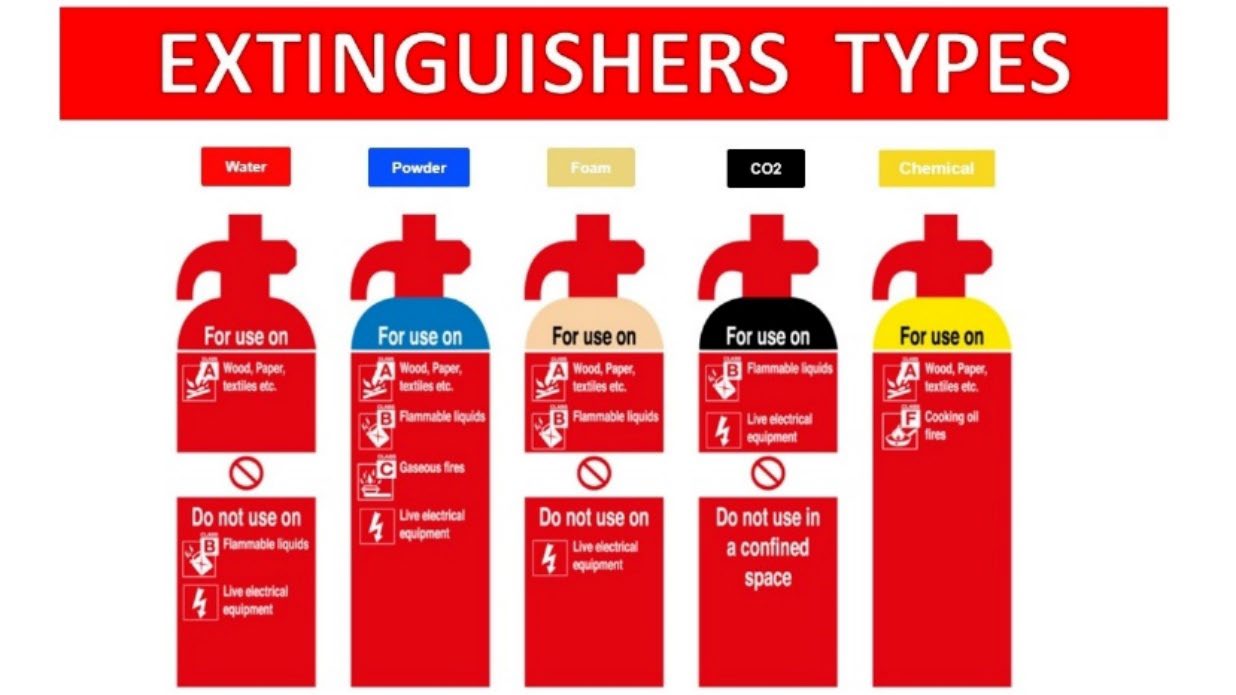
- Types of fires: know your extinguisher’s rating (All Horwitz extinguishers are ABC rated. Meaning they can be used for common combustibles, liquids, and electrical fires)
- Not for large fires: Extinguishers are only designed for small, early-stage fires.
Inspection and Maintenance
- Monthly Checks: Ensure extinguishers are in place, accessible, and not blocked.
- Annual Inspections: must be documented and performed by a qualified person.
- Gauge check: needle must be in the green zone.
- Pin and Seal: Pin must be intact and secured with a tamper seal.
- Physical Condition: No rust, dents, corrosion, or unreadable labels.
- Tag Out and report any damaged or discharged extinguishers immediately.
Extra Tips for the Jobsite
- Know where extinguishers are located in your work area
- Never remove or relocate extinguishers without approval
- Do not block extinguishers with tools, carts, or other materials.
- During hot work (welding, cutting, grinding) confirm an extinguisher is nearby
- Always evacuate first if you’re unsure of if the fire is out of control
Here are some examples of different types of extinguishers and when to use them. (ABC rated ones are Powder)
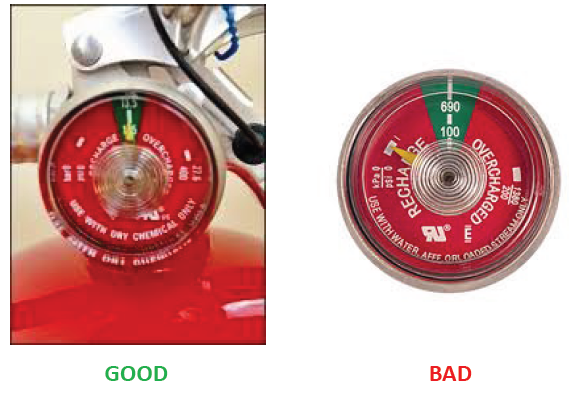
The picture above is what you can look for when inspecting fire extinguishers. You want the gauge to be int he green area, not in the red. If you see one not in the green space, take it out of service immediately.
Stay Safe!